Embark on your forex trading journey with our guide on How to Start Forex Trading. From understanding the basics to choosing the right broker, this article will equip you with the knowledge you need to dive into the world of forex trading.
Introduction to Forex Trading
Forex trading, also known as foreign exchange trading, involves buying and selling currencies in the foreign exchange market. It is the largest and most liquid financial market in the world, with an average daily trading volume exceeding $6 trillion. Forex trading plays a crucial role in the global economy, facilitating international trade and investment by enabling currency conversion.
Basics of Forex Trading
- Currency Pairs: In forex trading, currencies are always traded in pairs, such as EUR/USD or GBP/JPY. Each currency pair represents the exchange rate between the two currencies.
- Exchange Rates: Exchange rates determine the value of one currency relative to another. They fluctuate constantly due to various factors like economic indicators, geopolitical events, and market sentiment.
- Market Hours: The forex market operates 24 hours a day, five days a week, allowing traders to participate in trading sessions across different time zones.
Opportunities and Risks
- Opportunities: Forex trading offers the potential for high returns due to leverage, liquidity, and market volatility. Traders can profit from both rising and falling markets.
- Risks: However, forex trading involves significant risks, including market volatility, leverage risks, geopolitical risks, and the potential for losses. It requires a deep understanding of market dynamics and risk management strategies.
Getting Started with Forex Trading
When diving into the world of forex trading, the first step is to open a trading account. This is where you will conduct all your transactions and trades in the forex market.
Opening a Forex Trading Account
To open a forex trading account, follow these simple steps:
- Research and choose a reputable forex broker that suits your trading needs.
- Visit the broker’s website and look for the “Open an Account” or “Sign Up” option.
- Fill out the required personal information and submit any necessary identification documents.
- Once your account is approved, you will receive login credentials to access your trading platform.
Choosing a Reliable Broker
It is crucial to choose a reliable broker when starting forex trading. A reputable broker ensures the safety of your funds and provides a reliable trading environment. Look for brokers that are regulated by financial authorities and have a good track record in the industry.
Trading Platforms for Forex Trading
There are different trading platforms available for forex trading, each with its own features and capabilities. Some of the popular trading platforms include:
- MetaTrader 4 (MT4): Known for its user-friendly interface and advanced charting tools.
- MetaTrader 5 (MT5): Offers additional features like more timeframes and technical indicators.
- cTrader: Known for its intuitive interface and fast trade execution.
Understanding Foreign Exchange
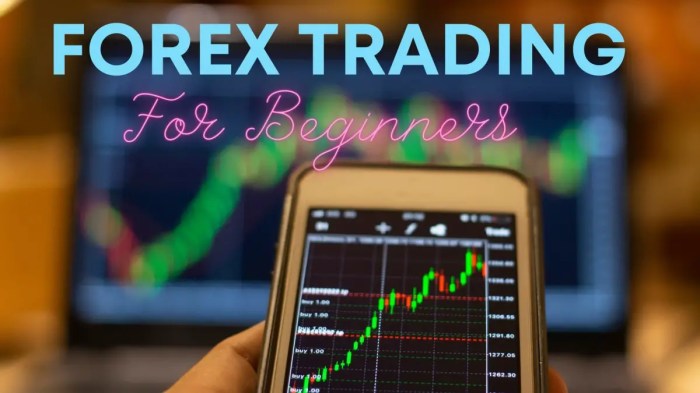
Foreign exchange, also known as forex or FX, refers to the global marketplace where currencies are traded. It plays a crucial role in the forex market by determining the exchange rates between different currencies.
Factors Influencing Foreign Exchange Rates
- Economic Indicators: Key economic indicators such as GDP, inflation, and employment data can significantly impact foreign exchange rates. Positive economic data may strengthen a country’s currency, while negative data can weaken it.
- Interest Rates: Central banks’ decisions on interest rates can influence foreign exchange rates. Higher interest rates in a country may attract foreign investment, leading to a stronger currency.
- Political Stability: Political stability and government policies can affect a country’s currency value. Uncertainty or instability in a country can lead to currency depreciation.
- Market Sentiment: Investor sentiment and market speculation can also impact foreign exchange rates. Positive or negative news can cause fluctuations in currency values.
Impact of Geopolitical Events and Economic Indicators
- Geopolitical Events: Events such as elections, conflicts, or trade disputes can create uncertainty in the forex market and cause currency volatility. Traders often monitor geopolitical developments to assess potential risks.
- Economic Indicators: Releases of economic data, such as employment reports or inflation numbers, can lead to market reactions and influence foreign exchange rates. Traders analyze these indicators to make informed trading decisions.
- Global Market Trends: Interconnected global markets can also impact foreign exchange rates. Changes in commodity prices, stock markets, or interest rates in one country can affect currencies worldwide.
In conclusion, starting forex trading involves learning the fundamentals, opening an account, and staying informed about market trends. By following these steps, you can begin your trading journey with confidence and knowledge.
Detailed FAQs
How do I open a forex trading account?
To open a forex trading account, you need to choose a broker, complete the registration process, and fund your account.
What factors influence foreign exchange rates?
Foreign exchange rates are influenced by factors such as interest rates, economic indicators, geopolitical events, and market speculation.