Embark on your journey into the world of Forex trading with the essential tool of demo accounts. Discover how these accounts can help you hone your skills and navigate the complexities of the financial markets.
Learn how to set up a demo account, explore the benefits of using one, and understand the risks involved. Dive into the features, tools, and strategies that can elevate your trading game to new heights.
Introduction to Forex Trading Demo Accounts
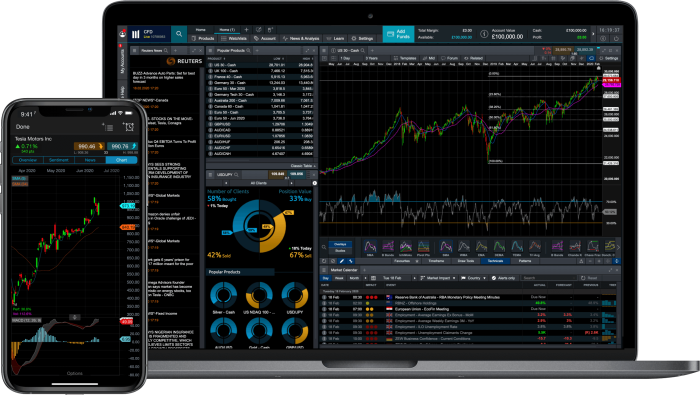
Forex trading, also known as foreign exchange trading, involves buying and selling currencies in the foreign exchange market to make a profit from the fluctuations in exchange rates.
A demo account in the context of Forex trading is a simulated trading account that allows beginners to practice trading with virtual money without risking their own capital. It provides a risk-free environment to learn how to trade and understand the dynamics of the Forex market.
The Importance of Using Demo Accounts for Beginners
Using demo accounts is crucial for beginners in Forex trading as it offers the following benefits:
- Allows beginners to practice trading strategies without risking real money.
- Helps in understanding how to place trades, use trading platforms, and manage risk effectively.
- Provides a hands-on experience of the Forex market dynamics and how different factors impact currency prices.
- Helps in gaining confidence and improving trading skills before transitioning to live trading with real money.
Setting Up a Forex Trading Demo Account
Creating a demo account with a broker is a crucial step for beginners in Forex trading. It allows you to practice trading strategies without risking real money. Below are the steps to set up a demo account and some tips for choosing the right one.
Step-by-Step Guide to Creating a Demo Account
- Choose a reputable broker that offers demo accounts. Look for one with a user-friendly platform and good customer service.
- Visit the broker’s website and look for the option to open a demo account. This is usually found alongside the option to open a live account.
- Fill out the required information, such as your name, email address, and phone number. Some brokers may also require additional details for verification purposes.
- Choose the trading platform you want to use for your demo account. Popular platforms include MetaTrader 4 (MT4) and MetaTrader 5 (MT5).
- Set the initial virtual balance for your demo account. This amount simulates the funds you will have available for trading.
- Agree to the terms and conditions of the demo account and submit your application.
- You will receive an email with login credentials to access your demo account. Use this information to log in to the trading platform.
- Start practicing trading with virtual funds and familiarize yourself with the platform’s features.
Choosing the Right Demo Account
When selecting a demo account, consider the following factors:
- Trading platform: Ensure the platform is user-friendly and meets your trading needs.
- Virtual balance: Choose a demo account with a virtual balance that reflects the amount you plan to invest in real trading.
- Customer support: Opt for a broker that provides reliable customer support in case you encounter any issues.
- Educational resources: Look for demo accounts that offer educational resources to help you improve your trading skills.
- No time limit: Select a demo account that does not have a time limit, allowing you to practice for as long as you need.
Benefits of Using Forex Trading Demo Accounts
Practicing with a demo account before trading with real money can provide a range of benefits to aspiring forex traders. Let’s explore some of the advantages of utilizing forex trading demo accounts.
Understanding Market Dynamics
One of the key benefits of using a forex trading demo account is the opportunity it provides to gain a better understanding of market dynamics. By engaging in simulated trading activities without any financial risk, traders can observe how different factors impact currency prices and market trends. This hands-on experience can help traders develop a deeper insight into how the forex market operates, which is essential for making informed trading decisions.
Testing Trading Strategies
Another advantage of demo accounts is the ability to test trading strategies in a risk-free environment. Traders can experiment with various approaches to trading, analyze the outcomes, and refine their strategies without risking any capital. This trial-and-error process allows traders to identify what works best for them and build confidence in their trading abilities before transitioning to live trading.
Features and Tools of Forex Trading Demo Accounts
Forex trading demo accounts come with a range of features and tools that can help traders practice and improve their skills before venturing into live trading. These features and tools are essential for gaining a better understanding of the forex market and honing trading strategies.
Essential Features Available in Demo Accounts
- Virtual Money: Demo accounts come with virtual money that allows traders to practice trading without risking real funds.
- Real-time Data: Access to real-time market data helps traders analyze price movements and trends.
- Order Types: Demo accounts offer various order types such as market orders, limit orders, and stop orders for practicing different trading strategies.
- Charting Tools: Traders can utilize charting tools to perform technical analysis and identify potential trading opportunities.
Common Tools Provided in Demo Accounts for Analysis and Trading
- Technical Indicators: Demo accounts often come equipped with a range of technical indicators like moving averages, RSI, and MACD for analyzing price movements.
- Drawing Tools: Traders can use drawing tools to mark support and resistance levels, trendlines, and other important areas on the charts.
- Risk Management Tools: Demo accounts provide risk management tools such as stop-loss orders and take-profit orders to help traders manage their risk effectively.
- News Feeds: Access to news feeds helps traders stay informed about market events and economic data releases that can impact currency prices.
Risks and Limitations of Forex Trading Demo Accounts
While Forex trading demo accounts offer numerous benefits, they also come with certain risks and limitations that traders should be aware of.
Potential Risks Associated with Demo Trading
- Emotional detachment: Since demo trading does not involve real money, traders may not experience the same emotions and psychological challenges they would face in live trading.
- Overconfidence: Success in demo trading can lead to overconfidence, causing traders to take higher risks when they transition to live trading.
- Execution differences: The execution speed and slippage experienced in demo accounts may not accurately reflect live trading conditions, leading to unrealistic expectations.
Limitations of Demo Accounts Compared to Live Trading
- Lack of real market conditions: Demo accounts do not replicate the exact market conditions, such as liquidity and volatility, that traders would face in live trading.
- No financial risk: Without the fear of losing real money, traders may not take demo trading as seriously as live trading, affecting their decision-making process.
- No psychological impact: Demo trading does not involve the emotional rollercoaster of live trading, making it harder for traders to develop strong psychological discipline.
Strategies to Overcome the Shortcomings of Demo Accounts
- Treat demo trading seriously: Practice proper risk management and follow your trading plan rigorously, as if you were trading with real money.
- Gradual transition: Start with small live trading accounts and gradually increase your position sizes as you gain more experience and confidence.
- Simulate real conditions: Use demo accounts to mimic live trading conditions as closely as possible, including setting up realistic risk parameters and trading environments.
Understanding Foreign Exchange (FOREX)
Foreign exchange, commonly known as Forex, refers to the global marketplace where currencies are traded. It involves the buying and selling of currencies in order to profit from fluctuations in exchange rates. The Forex market operates 24 hours a day, five days a week, making it the largest and most liquid financial market in the world.
Major Currency Pairs in the Forex Market
The Forex market is dominated by major currency pairs that are the most traded and liquid. Some of the key currency pairs include:
- Euro/US Dollar (EUR/USD)
- US Dollar/Japanese Yen (USD/JPY)
- British Pound/US Dollar (GBP/USD)
- Australian Dollar/US Dollar (AUD/USD)
Factors Influencing Exchange Rates in the Foreign Exchange Market
Exchange rates in the Forex market are influenced by a variety of factors, including:
- Interest rates set by central banks
- Economic indicators such as GDP, employment data, and inflation rates
- Political stability and geopolitical events
- Market speculation and sentiment
In conclusion, Forex Trading Demo Accounts serve as an invaluable resource for those looking to venture into the world of currency trading. By utilizing these accounts effectively, beginners can gain crucial experience and knowledge to succeed in this dynamic market.
General Inquiries
What is the purpose of a demo account in Forex trading?
A demo account allows beginners to practice trading in a risk-free environment before committing real money.
How do I choose the right demo account?
Consider factors like platform usability, available tools, and customer support when selecting a demo account.
What are the risks of demo trading?
Risks include overconfidence, unrealistic expectations, and not experiencing the true emotional impact of trading.
Can demo accounts help in testing trading strategies?
Yes, demo accounts provide a safe space to test and refine different trading strategies before implementing them with real funds.