Forex Trading Signals and Tips sets the stage for this enthralling narrative, offering readers a glimpse into a story that is rich in detail and brimming with originality from the outset. Dive into the world of forex trading and discover the key strategies that can lead to success in the market.
Introduction to Forex Trading Signals and Tips
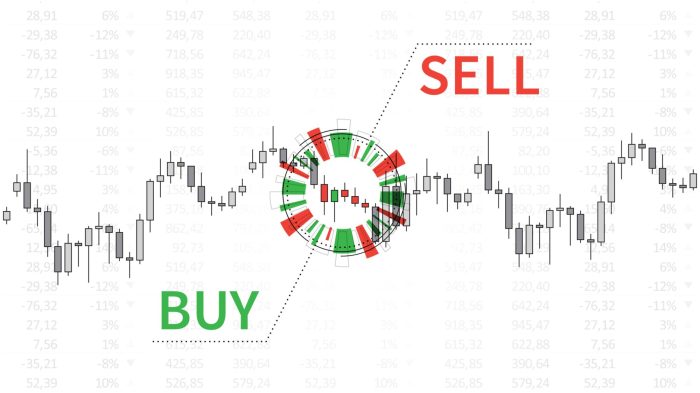
Forex trading signals and tips play a crucial role in guiding traders to make informed decisions in the foreign exchange market. These signals and tips help traders analyze market trends, identify potential entry and exit points, manage risks, and maximize profits.
Importance of Forex Trading Signals
Forex trading signals provide valuable insights into market conditions, helping traders make well-informed decisions. These signals are generated by analyzing technical indicators, economic data, and market sentiment to predict future price movements.
- Signals help traders identify potential entry and exit points for trades.
- They assist in managing risk by setting stop-loss and take-profit levels.
- Signals help traders stay updated on market trends and developments.
Common Forex Trading Tips
Forex trading tips are practical guidelines that can help traders improve their trading strategies and performance. These tips are based on experience, analysis, and market knowledge to enhance trading outcomes.
- Practice proper risk management by using stop-loss orders to limit losses.
- Stay informed about economic events and news that can impact currency prices.
- Use a combination of technical and fundamental analysis for better decision-making.
Role of Signals and Tips in Forex Trading Success
Signals and tips are essential tools for achieving success in forex trading. They provide traders with the necessary information and guidance to navigate the complex and volatile forex market effectively.
By following reliable signals and implementing effective tips, traders can improve their trading performance and increase their chances of profitability.
Understanding Forex Trading Signals
Forex trading signals are indicators or suggestions that help traders make informed decisions about their trades. These signals can be generated through various analysis methods and are essential for navigating the volatile forex market.
Types of Forex Trading Signals
- Technical Signals: These signals are based on technical analysis of charts, patterns, and indicators to predict future price movements.
- Fundamental Signals: Fundamental signals are based on economic and political events that can impact currency values.
- Sentiment Signals: Sentiment signals gauge the overall market sentiment towards a particular currency pair, helping traders anticipate market movements.
How Traders Use Signals to Make Informed Decisions
Traders use forex trading signals to identify potential entry and exit points for their trades. By analyzing different types of signals, traders can assess the market conditions and make informed decisions about when to buy or sell a currency pair. These signals act as a guide, helping traders mitigate risks and increase the likelihood of profitable trades.
Tips for Effective Forex Trading
Effective forex trading requires a combination of skills, knowledge, and strategies to navigate the volatile market. Here are some tips to help you improve your trading performance:
Managing Risk in Forex Trading
- Use proper risk management techniques such as setting a risk-to-reward ratio for each trade.
- Diversify your trading portfolio to reduce the impact of potential losses on individual trades.
- Avoid over-leveraging your positions to prevent significant losses during market fluctuations.
- Consider using stop-loss orders to limit potential losses and protect your capital.
Setting Stop-Loss Orders
- Stop-loss orders are essential tools in forex trading that help you control your risk exposure.
- By setting stop-loss orders, you establish a predetermined exit point for a losing trade to minimize losses.
- Ensure your stop-loss orders are based on technical analysis and market conditions to be effective.
- Adjust your stop-loss orders as the trade progresses to lock in profits or limit losses based on market movements.
Staying Updated on Market News
- Stay informed about economic indicators, geopolitical events, and central bank announcements that can impact currency values.
- Monitor financial news sources, economic calendars, and market analysis to anticipate market trends and make informed trading decisions.
- Consider the impact of major news events on currency pairs and adjust your trading strategy accordingly to capitalize on market opportunities.
- Keep an eye on market sentiment and investor behavior to gauge market direction and potential trading opportunities.
Using Technical Analysis in Forex Trading
Technical analysis plays a crucial role in predicting price movements in the forex market. By analyzing historical price data and various indicators, traders can make informed decisions about when to enter or exit trades.
Common Technical Indicators in Forex Trading
Technical indicators are mathematical calculations based on historical price, volume, or open interest data. Here are some commonly used technical indicators in forex trading:
- 1. Moving Averages: Moving averages smooth out price data to identify trends over a specified period.
- 2. Relative Strength Index (RSI): RSI measures the speed and change of price movements to determine overbought or oversold conditions.
- 3. Bollinger Bands: Bollinger Bands consist of a simple moving average and two standard deviations above and below the average to indicate volatility.
- 4. Fibonacci Retracement: Fibonacci levels are used to identify potential support and resistance levels based on the golden ratio.
Interpreting Charts and Patterns in Forex Trading
Traders can use charts and patterns to identify trends, reversals, and potential entry or exit points. Here are some common chart patterns and how traders can interpret them:
- 1. Head and Shoulders: A reversal pattern indicating a potential trend change from bullish to bearish or vice versa.
- 2. Double Top/Bottom: A reversal pattern showing a potential price reversal after reaching a peak or bottom twice.
- 3. Support and Resistance Levels: Price levels where a currency pair tends to find barriers to moving higher or lower.
- 4. Trendlines: Lines drawn to connect higher lows in an uptrend or lower highs in a downtrend to identify the direction of the trend.
Importance of Fundamental Analysis in Forex Trading
Fundamental analysis plays a crucial role in forex trading as it helps traders understand the underlying factors driving currency price movements. By analyzing economic indicators and geopolitical events, traders can make informed decisions and anticipate market trends.
Economic Indicators Impacting Currency Prices
Economic indicators such as GDP, inflation rates, employment data, and interest rates can have a significant impact on currency prices. Positive economic data typically strengthens a country’s currency, while negative data can lead to depreciation. Traders closely monitor these indicators to gauge the health of an economy and predict future currency movements.
Role of Geopolitical Events in Forex Trading
Geopolitical events, such as elections, wars, trade agreements, and natural disasters, can also influence currency prices. Uncertainty and instability in a region can lead to volatility in the forex market, as investors react to geopolitical developments. Traders need to stay informed about global events and their potential impact on currencies to make informed trading decisions.
Tips for Selecting a Reliable Forex Signal Provider
When it comes to choosing a forex signal provider, it is crucial to ensure reliability and credibility. Here are some tips to help you select a reliable forex signal provider:
Criteria for Evaluating Credibility
- Track Record: Look for a signal provider with a proven track record of success in generating profitable signals.
- Transparency: Choose a provider that is transparent about their trading strategies, risk management, and performance results.
- Customer Reviews: Check customer reviews and testimonials to gauge the satisfaction level of existing users.
- Regulation: Opt for a signal provider that is regulated by a reputable financial authority to ensure compliance with industry standards.
Importance of Transparency in Signal Services
Transparency is key when it comes to forex signal services. Providers should be open about their trading strategies, risk management practices, and historical performance. Without transparency, it is challenging for traders to assess the credibility and reliability of a signal provider.
Avoiding Scams in the Forex Signal Industry
To avoid scams in the forex signal industry, traders should be cautious of providers promising guaranteed profits or unrealistic returns. It is essential to do thorough research, verify the track record of the provider, and be wary of signals that are overly complex or difficult to understand. Additionally, always be on the lookout for red flags such as hidden fees, lack of transparency, and pressure tactics to sign up quickly.
Risk Management Strategies in Forex Trading
Risk management is a crucial aspect of forex trading that helps traders protect their capital and minimize potential losses. By implementing effective risk management strategies, traders can enhance their chances of long-term success in the forex market. Here, we will discuss the significance of risk management in forex trading and share tips for setting realistic profit targets and stop-loss levels, as well as managing leverage effectively to minimize risk.
Setting Realistic Profit Targets and Stop-Loss Levels
- Establishing realistic profit targets helps traders maintain a disciplined approach to trading and avoid greed-driven decisions.
- Stop-loss levels are essential to limit potential losses and protect capital in case the market moves against the trader’s position.
- Traders should consider factors like market volatility, support and resistance levels, and overall market conditions when setting profit targets and stop-loss levels.
Managing Leverage Effectively
- Understanding the risks associated with leverage is crucial for forex traders, as it amplifies both profits and losses.
- Traders should only use leverage that they can afford to lose and avoid overleveraging their positions to minimize risk.
- Implementing proper risk management techniques, such as setting tight stop-loss orders and using appropriate position sizing, can help traders manage leverage effectively.
The Role of Psychology in Forex Trading
Psychology plays a crucial role in forex trading as emotions can heavily influence trading decisions, impacting risk management and strategy development. It is essential for traders to maintain discipline and control over their emotions to trade effectively.
Impact of Emotions on Trading Decisions
- Emotions like fear and greed can lead to impulsive trading decisions, resulting in losses.
- Overconfidence can also be detrimental, causing traders to take excessive risks.
- Traders must be aware of their emotions and avoid letting them dictate their trades.
Tips for Maintaining Discipline and Controlling Emotions
- Stick to a trading plan and set clear goals to avoid making emotional decisions.
- Practice mindfulness and stay focused on the present moment while trading.
- Take breaks when feeling overwhelmed to prevent emotional trading.
How Psychology Influences Risk Management and Strategy Development
- Understanding risk tolerance and being aware of psychological biases can help in developing effective risk management strategies.
- Psychology plays a role in shaping trading strategies, as traders may adjust based on their emotional reactions to market movements.
- By mastering emotions and maintaining a disciplined mindset, traders can enhance their risk management practices and develop robust trading strategies.
Understanding Foreign Exchange (FOREX)
Foreign exchange, commonly known as forex, refers to the global marketplace where currencies are traded. It plays a crucial role in the global economy by facilitating international trade and investment. Forex trading allows businesses, governments, and individuals to convert one currency into another.
Role of Central Banks in Regulating Foreign Exchange Markets
Central banks are key players in the forex market as they are responsible for regulating the monetary policy of their respective countries. They intervene in the foreign exchange market to stabilize the domestic currency’s value, prevent excessive volatility, and ensure economic stability. Central banks use various tools such as interest rates, open market operations, and foreign exchange reserves to influence the exchange rate.
Trading Currency Pairs in the Forex Market
Forex trading involves the simultaneous buying of one currency and selling of another currency in pairs. Currency pairs are quoted in terms of the base currency and the quote currency. For example, in the EUR/USD pair, the euro is the base currency, and the US dollar is the quote currency. Traders speculate on the exchange rate movements of currency pairs to make profits.
Explore the world of forex trading armed with valuable insights on signals, tips, and strategies. With a focus on maximizing success and minimizing risks, take your trading journey to new heights with the guidance provided in this comprehensive discussion.
FAQ Insights
What are Forex trading signals?
Forex trading signals are indicators used by traders to make informed decisions about buying or selling currency pairs in the market.
How can traders manage risk effectively in forex trading?
Traders can manage risk by using strategies like setting stop-loss orders, diversifying their portfolios, and staying informed about market news.
What is the role of psychology in forex trading?
Psychology plays a crucial role in trading decisions as emotions can impact strategies and risk management. Traders need discipline to control emotions effectively.