With Factors Affecting Foreign Exchange Rates at the forefront, this paragraph opens a window to an amazing start and intrigue, inviting readers to embark on a storytelling journey filled with unexpected twists and insights.
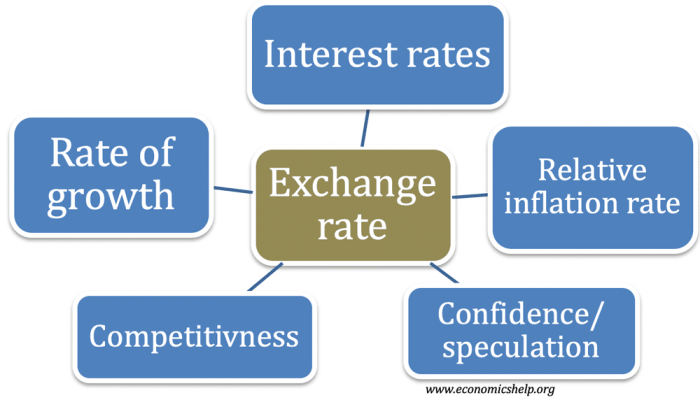
Exploring the intricate web of supply, demand, interest rates, inflation, and political stability that sway foreign exchange rates is like deciphering a complex puzzle with global implications. As we delve deeper into the world of currency fluctuations, we unravel the interconnected factors that shape the value of money across borders.
Factors Affecting Foreign Exchange Rates
Supply and demand play a crucial role in determining foreign exchange rates. When the demand for a particular currency exceeds its supply, the value of that currency tends to appreciate. On the other hand, if the supply surpasses the demand, the currency may depreciate in value.
Impact of Interest Rates
Interest rates can significantly influence foreign exchange rates. Higher interest rates in a country can attract foreign investors seeking better returns on their investments. This increased demand for the country’s currency can lead to its appreciation. Conversely, lower interest rates may result in a decrease in currency value as investors seek higher returns elsewhere.
Role of Inflation
Inflation can also impact exchange rates. Countries with lower inflation rates generally see an appreciation in their currency value as the purchasing power increases. On the other hand, countries with higher inflation rates may experience a depreciation in their currency as the value decreases relative to other currencies.
Political Stability
Political stability is crucial in determining foreign exchange rates. Countries with stable governments and economic policies are more likely to attract foreign investments, leading to an appreciation in their currency. On the contrary, political unrest or uncertainty can cause a decline in the value of a country’s currency as investors perceive it as a risky investment.
Relationship Between Trade Balance and Foreign Exchange Rates
Trade balance plays a crucial role in determining a country’s currency value. It refers to the difference between the value of a country’s exports and imports. This balance directly impacts the demand and supply of a country’s currency in the foreign exchange market, influencing exchange rates.
Effects of Trade Surpluses and Trade Deficits on Exchange Rates
Trade surpluses occur when a country exports more than it imports, leading to an excess of foreign currency. This increased supply of foreign currency causes the country’s currency to appreciate in value. On the other hand, trade deficits result from importing more than exporting, leading to a higher demand for foreign currency and causing the country’s currency to depreciate.
Trade Policies Influence on Foreign Exchange Rates
Trade policies implemented by governments can have a significant impact on foreign exchange rates. For instance, tariffs or trade restrictions can affect the competitiveness of a country’s exports, influencing its trade balance and ultimately its currency value in the foreign exchange market.
Real-World Examples of Trade Balance Affecting Currency Exchange Rates
One notable example is the relationship between the trade balance of the United States and the value of the US dollar. The US has consistently run trade deficits, leading to a higher demand for foreign currencies and a depreciation of the US dollar. Conversely, countries like Germany, known for their trade surpluses, have seen their currency appreciate due to the excess supply of foreign currency.
Speculation and Market Psychology
Speculation and market psychology play crucial roles in determining foreign exchange rates. Let’s delve into how these factors impact currency values.
Speculation in the Forex Market
Speculation in the forex market refers to traders making bets on the future direction of exchange rates. When there is a high level of speculation that a currency will strengthen, traders will buy that currency, causing its value to rise. Conversely, if there is speculation that a currency will weaken, traders will sell that currency, leading to a depreciation in its value.
This constant back and forth of buying and selling based on speculation can lead to significant fluctuations in exchange rates.
Market Psychology and Currency Values
Market psychology plays a crucial role in determining currency values as it influences how traders perceive the market. Positive market sentiment towards a particular currency can lead to increased demand for that currency, causing its value to rise. On the other hand, negative market sentiment can result in a decrease in demand and a depreciation of the currency. Factors such as economic indicators, political stability, and global events can all impact market psychology and, in turn, currency values.
Impact of Investor Sentiment
Investor sentiment, driven by emotions such as fear, greed, and optimism, can significantly impact foreign exchange rates. When investors are optimistic about a country’s economic prospects, they are more likely to invest in that country’s assets, leading to an appreciation of its currency. Conversely, if there is fear or uncertainty in the market, investors may pull out their investments, causing the currency to depreciate.
Understanding and analyzing investor sentiment is crucial for predicting exchange rate movements.
Influence of Speculative Trading
Speculative trading, which involves making bets on the future direction of currency movements, can lead to short-term fluctuations in exchange rates. Traders who engage in speculative trading often use leverage to amplify their potential gains or losses. This can create volatility in the forex market, as large trades based on speculation can quickly impact currency values. It is essential for traders and investors to keep a close eye on speculative activities to anticipate potential shifts in exchange rates.
Role of Central Banks and Government Policies
Central banks and government policies play a crucial role in influencing foreign exchange rates. Through various interventions and decisions, they can have a significant impact on the value of currencies in the global market.
Central Bank Interventions
Central banks often intervene in the foreign exchange market to stabilize or influence the value of their domestic currency. This can be done through actions such as buying or selling foreign currencies, adjusting interest rates, or implementing capital controls. For example, if a central bank wants to weaken its currency to boost exports, it may sell its own currency in exchange for foreign currencies, increasing the supply of its currency in the market and driving down its value.
Government Policies
Government policies can also affect currency values. For instance, trade policies, fiscal policies, and geopolitical events can all impact exchange rates. A country with a large trade deficit may see its currency depreciate, while a country with a strong economy and stable political environment may experience a stronger currency.
Quantitative Easing and Foreign Exchange Rates
Quantitative easing is a monetary policy tool used by central banks to stimulate the economy by purchasing financial assets. This can lead to an increase in the money supply, potentially weakening the currency. For example, during the financial crisis of 2008, the U.S. Federal Reserve implemented quantitative easing to lower interest rates and boost economic activity, which in turn affected the value of the U.S.
dollar.
Examples of Central Bank Actions
One notable example of central bank action impacting exchange rates is the Swiss National Bank’s decision to remove the currency peg to the euro in 2015. This sudden move caused a sharp appreciation of the Swiss franc, leading to significant market volatility. Another example is the Bank of Japan’s ongoing efforts to weaken the yen through massive quantitative easing measures to support its export-driven economy.
FOREX Trading
FOREX trading, also known as foreign exchange trading, involves the buying and selling of currencies in the global market. It is the largest and most liquid financial market in the world, with trillions of dollars being traded every day. The exchange rates of currencies are constantly fluctuating based on various factors, making FOREX trading a dynamic and potentially lucrative venture.
Currency Speculation in the FOREX Market
Currency speculation in the FOREX market refers to the practice of trading currencies with the aim of making a profit from changes in exchange rates. Speculators take advantage of price movements by buying low and selling high or selling high and buying low. Their actions can influence exchange rates through the sheer volume of transactions they engage in, leading to both short-term and long-term impacts on currency values.
Risks Associated with FOREX Trading
- Volatility: The FOREX market is highly volatile, with prices constantly fluctuating due to geopolitical events, economic data releases, and market sentiment.
- Leverage: Trading on margin allows traders to control larger positions with a smaller amount of capital, but it also amplifies potential losses.
- Market Risks: Unexpected events such as political upheavals, natural disasters, or global economic crises can cause sudden and significant movements in exchange rates.
- Lack of Regulation: The decentralized nature of the FOREX market means there is no central regulatory body, exposing traders to potential fraud and manipulation.
Tips for Beginners in FOREX Trading
- Educate Yourself: Take the time to learn about the basics of FOREX trading, including how to read charts, analyze trends, and manage risk.
- Start Small: Begin with a demo account or trade with small amounts of capital to gain experience without risking large sums of money.
- Use Stop-Loss Orders: Set stop-loss orders to automatically close out a trade when a certain price level is reached, limiting potential losses.
- Stay Informed: Stay up-to-date on global economic events, central bank decisions, and geopolitical developments that can impact currency values.
In this intricate dance of economics and geopolitics, the discussion on Factors Affecting Foreign Exchange Rates sheds light on the dynamic forces that drive global markets. From speculative ventures to central bank interventions, each piece of the puzzle contributes to the ever-changing landscape of currency values. As we navigate through the complexities of exchange rates, one thing remains clear: the interconnected nature of economies ensures that every shift in one corner of the world ripples across continents, creating a symphony of financial interactions.
FAQ Guide
How do interest rates impact foreign exchange rates?
Interest rates play a crucial role in determining the attractiveness of a currency for investors. Higher interest rates typically lead to an increase in foreign investment, strengthening the value of the currency.
What is the significance of market psychology in currency values?
Market psychology reflects the collective sentiment of traders and investors, influencing the demand and supply dynamics of currencies. Positive or negative perceptions can lead to significant fluctuations in exchange rates.
How does quantitative easing affect foreign exchange rates?
Quantitative easing, a monetary policy tool used by central banks to stimulate the economy, can lead to a decrease in the value of a currency due to increased money supply and potential inflationary pressures.
What are the risks associated with FOREX trading?
Risks in FOREX trading include market volatility, leverage risks, geopolitical events, and unexpected economic data releases that can lead to rapid and substantial losses.
What are some tips for beginners looking to start trading currencies?
Beginners should start with a solid understanding of the market, develop a trading plan, practice with a demo account, manage risk effectively, and stay updated on market news and trends.